As you get older, the way you use your home naturally shifts. The kitchen is often the first place where these changes show up. Tasks that once felt simple—like reaching high shelves, bending to find a pot, or lifting heavy appliances—can start to feel uncomfortable. Sometimes they even become unsafe. More Australians are choosing to age in place, so creating a kitchen that supports comfort, safety, and independence matters more than ever. The good news is that you don’t need a full renovation. Small, thoughtful upgrades to storage, layout, and accessibility can make everyday life in your home and kitchen, much easier as you get older.
Mobility and access issues
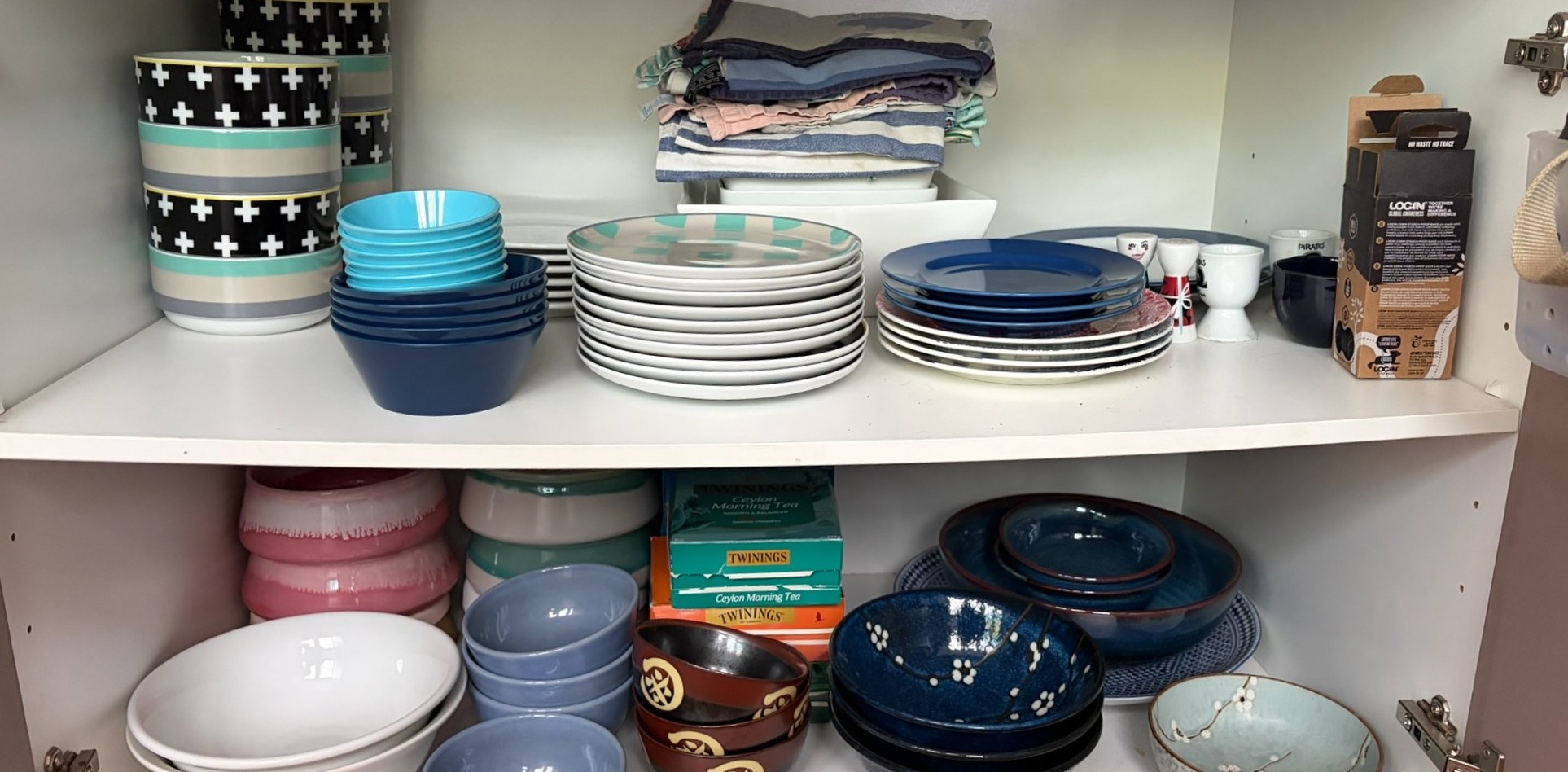
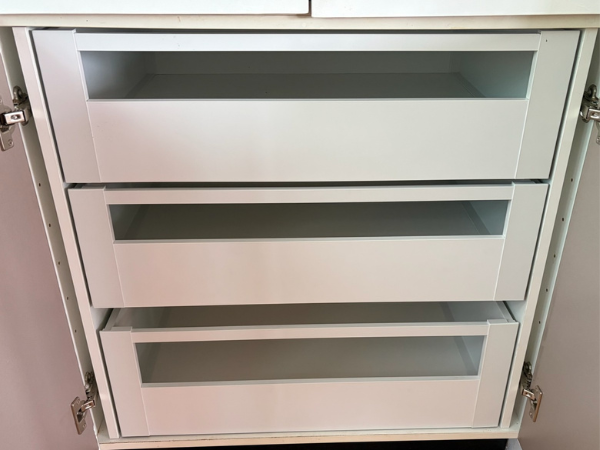
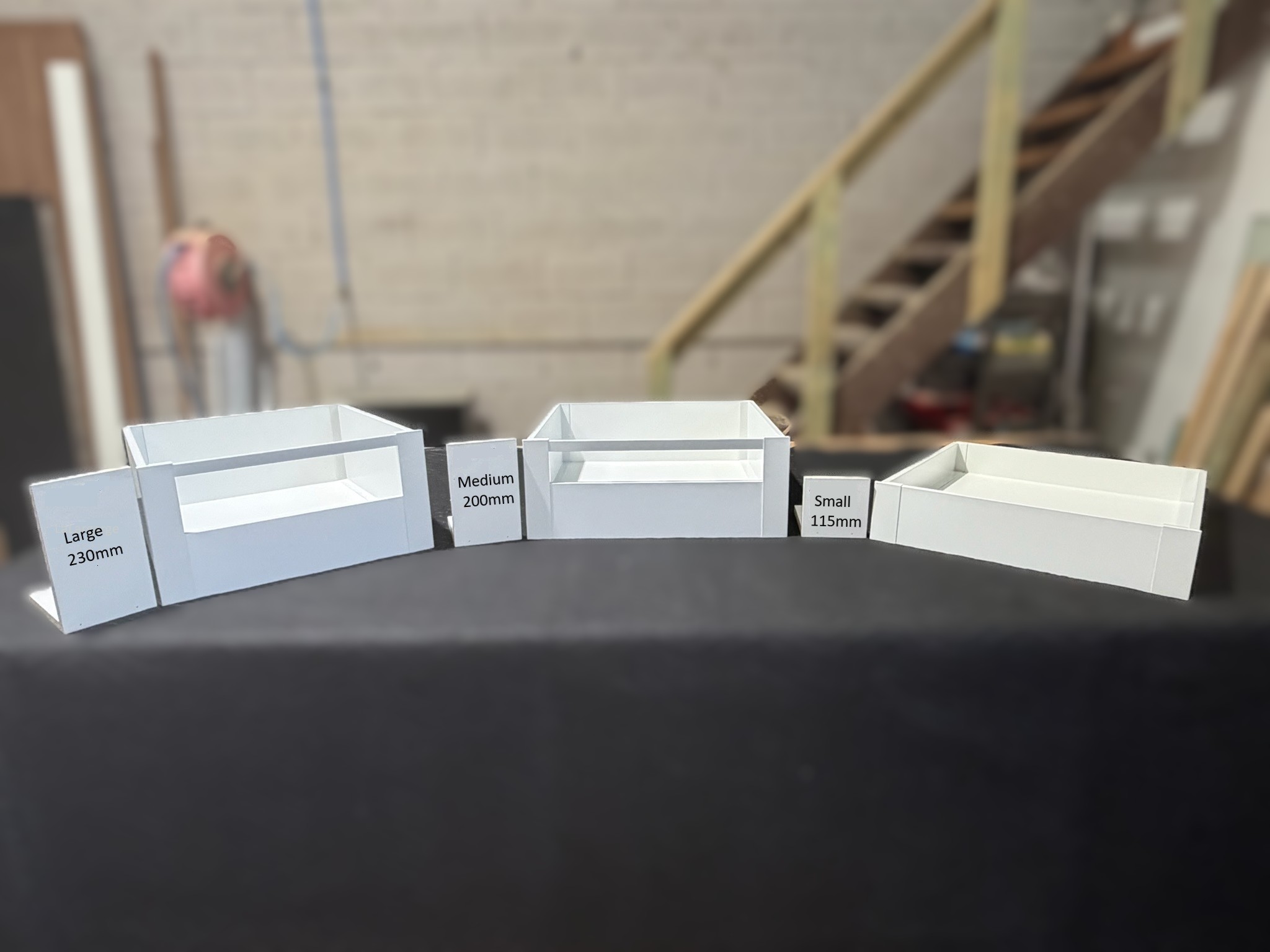
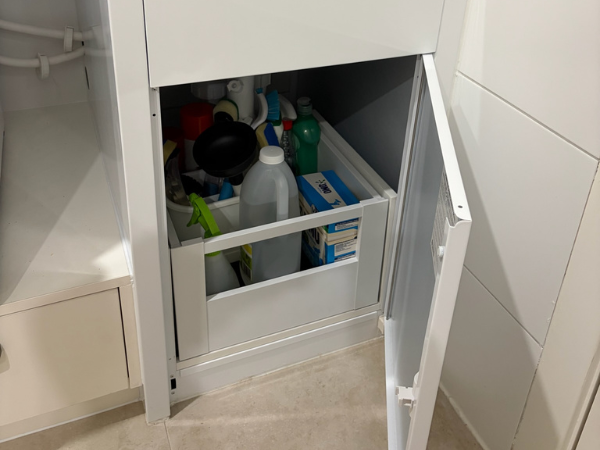
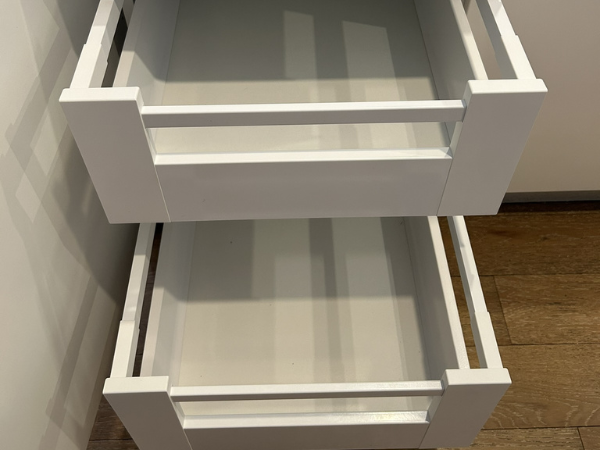
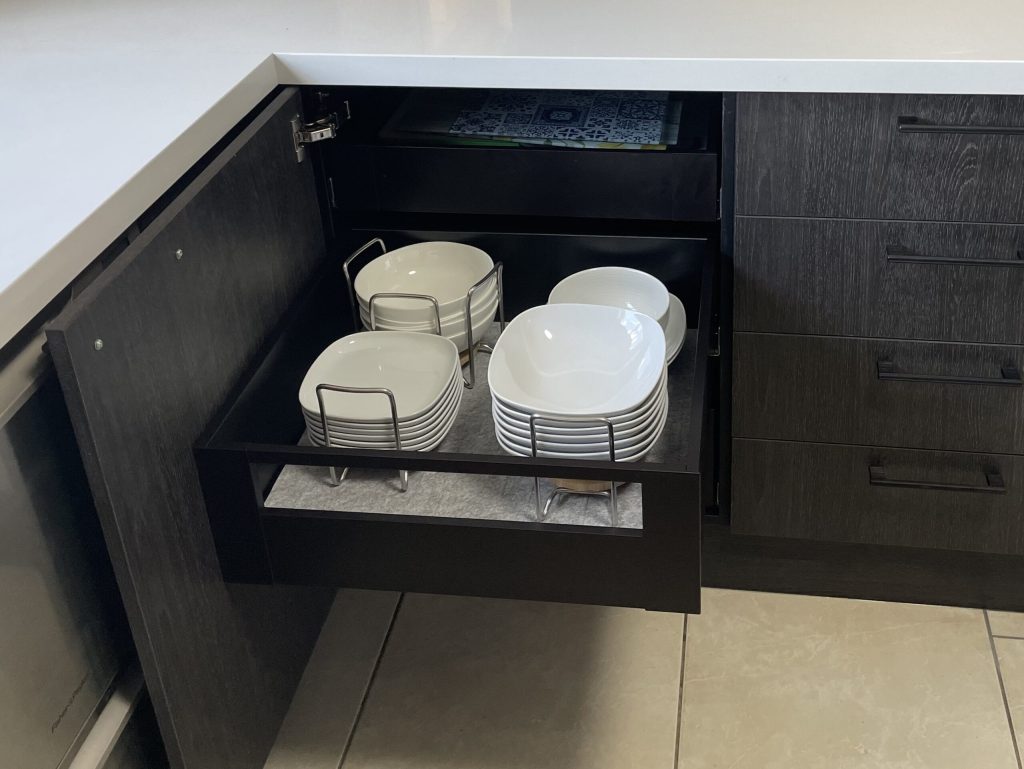
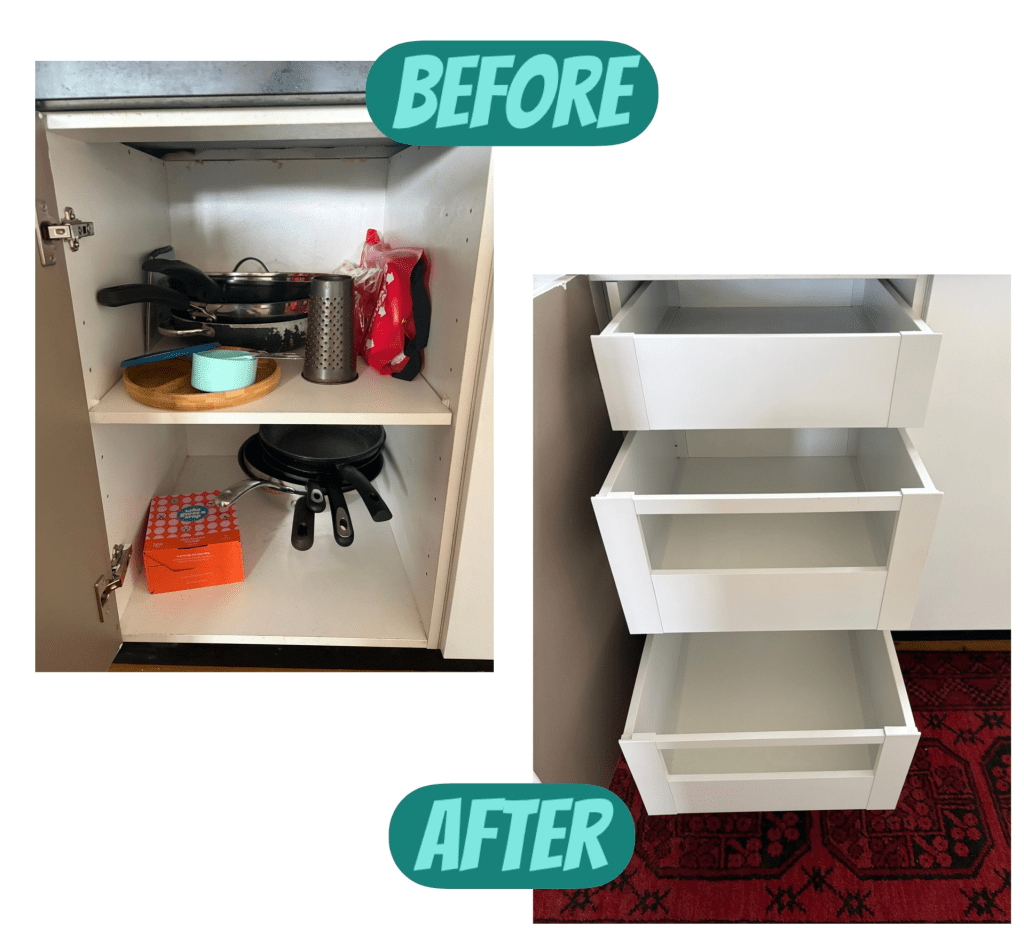
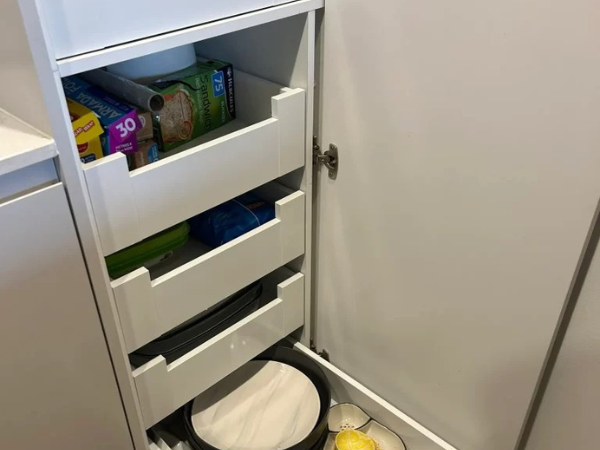
Reduced mobility is one of the biggest challenges older adults face in the kitchen. Bending, crouching, and stretching become harder over time. Deep cupboards and high shelves can quickly turn into daily obstacles. Because of this, many people switch from traditional cupboards to pull‑out drawers or internal drawer systems. These drawers glide out smoothly, so you can see and reach everything without strain. They also prevent items from getting lost at the back of a dark cupboard, which is especially helpful if you have limited flexibility or balance concerns.
Overhead cupboards can also be challenging for people with mobility issues, especially those with limited shoulder movement or reduced balance. Installing pull‑down mechanisms can make upper storage more manageable and easier to access. However, the most effective solution is often to prioritise lower‑level storage that can be reached without stretching.
Ergonomic issues
Ergonomics plays a major role in an ageing‑friendly kitchen. Storing heavy items—like mixers, slow cookers, or large pots—at waist height reduces awkward lifting. Everyday items should sit between shoulder and hip height, where they’re easiest to reach. This often means reorganising your kitchen so frequently used items stay in the most accessible spots. Meanwhile, rarely used items can move to higher or lower shelves.
Handles and hardware also matter more than most people realise. Small knobs can be difficult for arthritic hands to grip, while wide, easy‑grab handles are far more comfortable. Soft‑close drawers and doors reduce the force needed to open and close cabinetry, making the kitchen feel smoother and more manageable.
Reducing clutter and technology assistance
Another key consideration is reducing clutter. As we age, visual clarity becomes increasingly important. Overcrowded shelves and benchtops can make it harder to find what you need and increase the risk of spills or breakages. Clear containers, labelled baskets, and consistent organisation systems help maintain order and reduce frustration. A tidy kitchen is not just aesthetically pleasing—it’s safer and easier to navigate.
Technology can also play a role in making the kitchen more age‑friendly. Motion‑sensor lighting, easy‑touch taps, and induction cooktops that stay cool to the touch all contribute to a safer environment. But even without high‑tech upgrades, simple changes—like replacing deep cupboards with pull‑out shelves—can have the biggest impact.
How can we help?
Ultimately, making your kitchen easier to use as you get older is about creating a space that adapts to your needs, not the other way around. Thoughtful storage solutions, improved visibility, ergonomic organisation, and reduced physical strain all contribute to a kitchen that supports ageing in place with confidence.
We are excited to be working on a project at the moment to increase the storage and accessibility for a couple in an aged care facility, watch our facebook page in the coming weeks to see the transformation – https://www.facebook.com/allthingsinacupboard/

Leave a Reply